
Webinars
ᐃᓚᐅᖃᑕᐅᓇᓲᑎᑦ




ᑕᐅᑐᒡᓗᒋᑦ ᑲᑎᒪᔩᑦ ᐅᖃᓪᓚᒃᑎᓪᓗᒋᑦ: ᐱᕈᖅᓴᐃᓂᖅ ᓄᓇᖃᖅᑳᖅᑐᑦ ᓇᖕᒥᓂᖃᕐᓂᖏᓐᓄᑦ ᓄᓇᖃᖅᑳᖅᓯᒪᔪᑦ ᓯᓚᐅᑉ ᐊᓯᔾᔨᖅᐸᓪᓕᐊᓂᖓᓄᑦ ᖃᓄᐃᓕᐅᕆᐊᕐᓂᕐᒧᑦ ᐊᒻᒪ ᓄᓇᕐᔪᐊᖅ ᓯᕿᓂᕐᒧᑦ
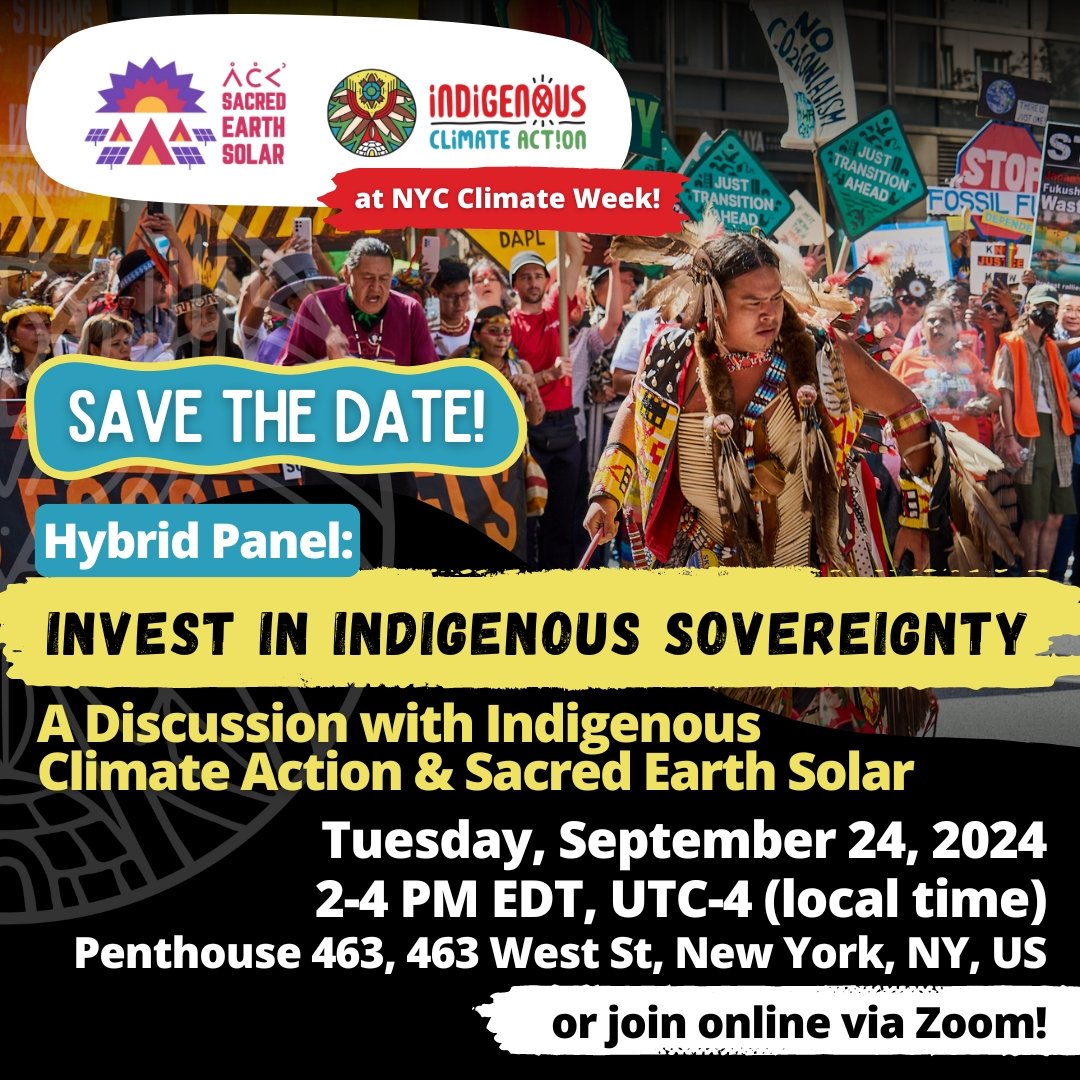
ᑕᐅᑐᒡᓗᒍ ᐃᓚᖓ 1 ᐱᖓᓱᐃᓕᖅᑲᖓᔪᖅ ᓅᑉᐸᓪᓕᐊᑐᐃᓐᓇᕐᓂᕐᒧᑦ ᐃᑭᐊᖅᑭᕕᒃᑯᑦ ᐃᓕᓐᓂᐊᒐᒃᓴᑦ: ᖃᓄᖅ ᐃᓕᓯᔪᓐᓇᕐᒪᖔᑦ "ᓈᒻᒪᒃᑐᒥᒃ" ᐊᓯᔾᔨᖅᐸᓪᓕᐊᓂᑐᐃᓐᓇᕐᒧᑦ
ᐃᓚᐅᖃᑕᐅᒋᑦ ᓄᓇᖃᖅᑳᖅᓯᒪᔪᑦ ᓯᓚᐅᑉ ᐊᓯᔾᔨᖅᐸᓪᓕᐊᓂᖓᓄᑦ ᖃᓄᐃᓕᐅᕆᐊᕐᓂᕐᒧᑦ ᐊᑭᖃᙱᑦᑐᒧᑦ, ᑲᑎᙵᔪᓄᑦ ᑲᑎᒪᔨᓄᑦ ᐅᖃᖃᑎᒌᖕᓂᕐᒧᑦ: ᑮᓇᐅᔭᑎᒍᑦ ᐊᑦᑕᕐᓇᕐᓂᖓ ᓱᖁᑎᒋᙱᓪᓗᒋᑦ ᓄᓇᖃᖅᑳᖅᓯᒪᔪᑦ ᐱᔪᓐᓇᐅᑎᖏᑦ, ᐅᑯᐊᖑᓗᑎᒃ ᕿᕐᓂᖅᑕᑦ ᐊᒻᒪ ᓄᓇᖃᖅᑳᖅᓯᒪᔪᑦ ᑲᑎᒪᔨᑦ ᐃᓚᐅᓚᐅᖅᑎᓪᓗᒋᑦ ᕈᐃᐅᓪ ᐹᓐᒃ ᐊᕐᕌᒍᑕᒫᖅᓯᐅᑦ ᑲᑎᒪᑎᓪᓗᒋᑦ.
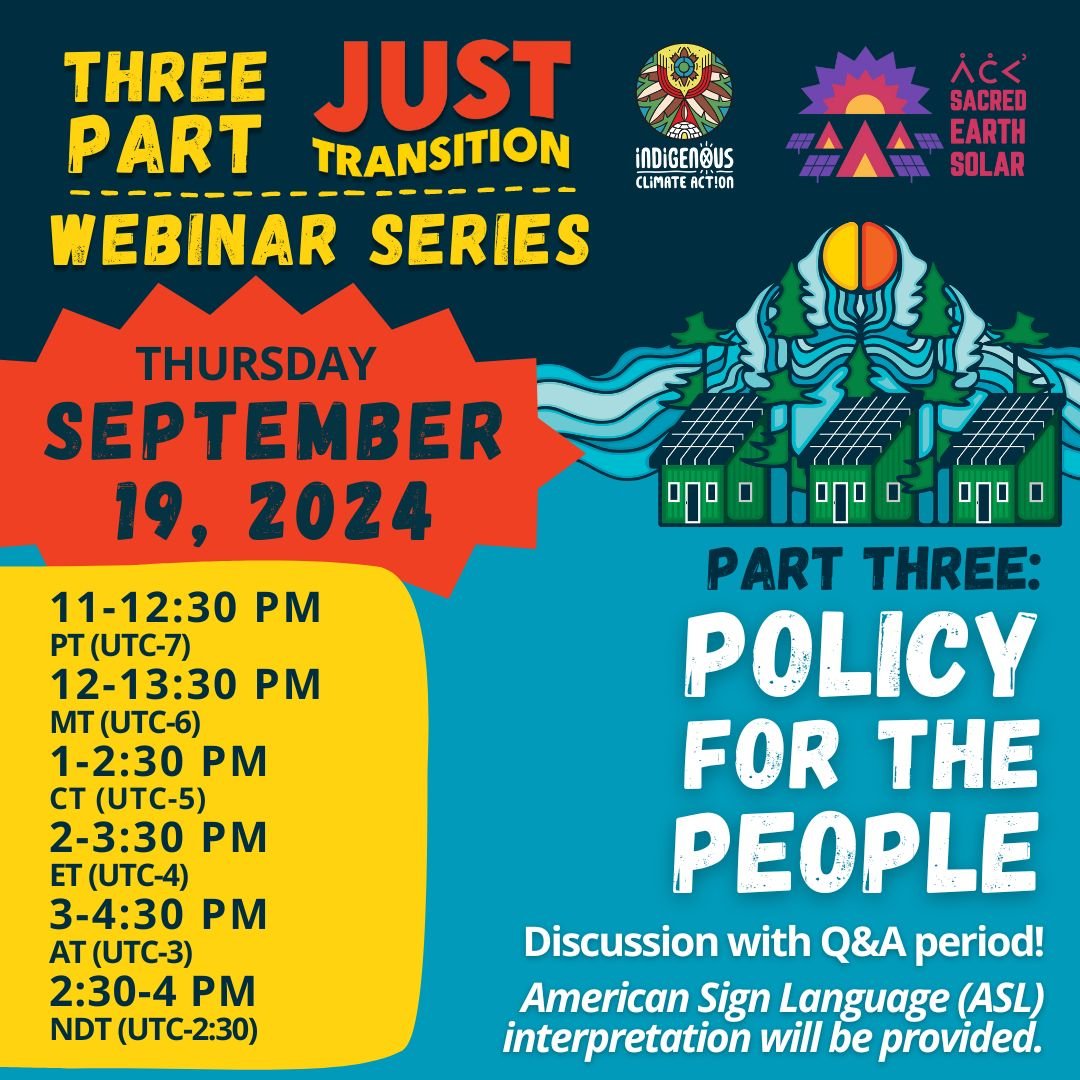
ᑕᐅᑐᒡᓗᒍ ᓂᐱᓕᐅᖅᓯᒪᔪᖅ ᐊᐃᑉᐸᖓᓂ ᐃᑭᐊᖅᑭᕕᒃᑯᑦ ᐃᓕᓐᓂᐊᒐᒃᓴᑦᑎᓐᓂ: ᖃᓪᓗᓈᓄᑦ ᐱᔪᒪᓂᖅ ᐊᓯᔾᔨᖅᓯᔪᒪᓂᖅ ᓯᓚᐅᑉ ᐊᓯᔾᔨᖅᐸᓪᓕᐊᓂᖓᓂᒃ: ᖁᕝᕙᕆᐊᖅᑎᑦᑎᓂᖅ ᐋᖅᑭᒍᑎᒃᓴᓪᓚᑦᑖᓂᒃ
ᖃᕋᓴᐅᔭᒃᑯᑦ ᑎᑎᕋᖅᑕᖅ ᐃᓚᖏᓐᓂᒃ ᐅᔾᔨᕐᓇᓗᐊᖅᑐᓂᒃ ᑲᓇᑕᐅᑉ ᐅᓪᓗᖓᓂ ᐊᑭᕋᖅᑐᕐᓂᕐᒧᑦ ᐃᑭᐊᖅᑭᕕᒃᑯᑦ ᐃᓕᓐᓂᐊᒐᒃᓴᓂᒃ ᑕᑯᒃᓴᐅᑎᑦᑎᓪᓗᑎᒃ ICA−ᑯᑦ ᑐᑭᒧᐊᒃᑎᑦᑎᔨᐅᓪᓗᑎᒃ ᑲᑎᒪᔨᕋᓛᖏᓐᓂᒃ.
From a panel that occurred on Sunday, May 31, 2020, following an online screening of The Condor and the Eagle documentary. Featuring: Melina Laboucan-Massimo, Kanahus Manuel, Helena Gualinga, Molly Wickham, and Bryan Parras
In March, Indigenous Climate Action put together our first webinar related to COVID19, in collaboration with Idle No More and NDN fellows, Waasekom and Jesse Cardinal. Following this, we then put together a series of four webinars with Indigenous Rising Media (a project of Indigenous Environmental Network).
Many Indigenous Peoples are at high risk of contracting COVID19 due to a lack of clean running water, overcrowded housing, and a lack of adequate healthcare. This is not the first time we have been faced with a health crisis, and to get through it will take some Indigen-uity.
Tune into Eriel Deranger, Executive Director with Indigenous Climate Action as she hosts Andrea Carmen with International Indian Treaty Council, Graeme Reed with Assembly of First Nations, and Janene Yazzie with International Indian Treaty Council to discuss the opportunities and challenges of asserting Indigenous Rights within International Climate Change Conversations.
Indigenous Peoples around the world are exposed to hundreds of toxic and otherwise hazardous substances. From May 24-June 5, the United Nations Special Rapporteur will be conducting a country visit to Canada to hear our stories about toxics contamination. Learn how you can participate.
Indigenous Peoples around the world are exposed to hundreds of toxic and otherwise hazardous substances. The exposure of Mother Earth to toxic substances from a multitude of sources must be understood through the lens the United Nations Declaration on the Rights of Indigenous Peoples.
ᐃᑭᐊᖅᑭᕕᒃᑯᑦ ᐃᓕᓐᓂᐊᒐᒃᓴᑦ ᐅᑯᐊᖑᓪᓗᑎᒃ ᑲᓚᐃᑕᓐ ᑖᒪᔅ−ᒧᓗ, ᓰᑐᕐ ᔪᐊᔾ−ᐹᑯ, ᑲᓇᕼᐅᔅ ᒪᓄᓪ ᐊᒻᒪ ᐃᐅᕆᔪᓪ ᑎᐅᕋᓐᔪ. ᔪᓚᐃ 11, 2018
Canada’s government announced that it is going to pay $4.5 billion to Kinder Morgan to buy both the existing 65-year-old Trans Mountain pipeline and the controversial Trans Mountain Expansion Project.
The Canadian government has gone from backing a fossil fuel company that is trampling Indigenous rights to becoming one.
ᑖᓐᓇ ᐃᑭᐊᖅᑭᕕᒃᑯᑦ ᐃᓕᓐᓂᐊᒐᒃᓴᖅ ᖃᐅᔨᓇᓱᒃᑐᖅ ᖃᓄᖅ ᐋᓐᓂᖅᓯᕆᓂᖅ ᓄᓇᒥ ᐲᔭᐃᓂᒃᑯᑦ ᐊᑐᕐᓂᕐᓗᒃᑎᑦᑎᓂᒃᑯᓪᓗ ᐱᔾᔪᑎᒃᓴᓂᑦ ᐅᖅᓱᐊᓗᒃᓴᓂᒡᓗ ᑲᔪᓯᑎᑦᑎᕙᖕᒪᖔᑦ ᐋᓐᓂᖅᓯᕆᓂᕐᒥᒃ ᐊᕐᓇᓂᒃ.
During this webinar Indigenous Climate Action, Toi Toi Manawa Trust and Pacific peoples Partnership discussed the Red Tide Climate Action Summit and Youth Conference which took place from May 1st to May 6th, 2018 in Aotearoa (New Zealand).
ᐃᓱᒻᒥᖅᑐᐃᔨ ᐃᐅᕆᔪᓪ ᑐᕌᓐᔪ ᐊᒻᒪ ᓯᕗᓕᖅᑏᑦ ᑲᑎᒪᔨᕋᓛᖏᓐᓄᑦ ᐃᓚᒋᔭᐅᔪᖅ ᑲᓚᐃᑕᓐ ᑖᒪᔅ-ᒧᓚ ᐅᖃᐅᓯᖃᖅᐳᑦ ICA−ᑯᓐᓂ ᕿᐱᓗᖕᓂᖓᓂ $150 ᑕᐅᓴᓂ ᑐᓐᓂᖅᑯᓯᐊᒥ Aviva Canada−ᑯᓐᓂ ᐊᒻᒪ ᐱᒻᒪᕆᐅᓂᖓᓂ ᓄᓇᖃᖅᑳᖅᓯᒪᔪᑦ ᐱᔪᓐᓇᐅᑎᖏᓐᓂ ᓯᓚᐅᑉ ᐊᓯᔾᔨᖅᐸᓪᓕᐊᓂᖓᓄᑦ ᒪᓕᒐᓕᕆᓂᕐᒥ ᐱᓕᕆᓂᐅᔪᒥ.
Executive Director Eriel Deranger and Executive Committee Member Clayton Thomas-Muller (350.org) discussed ICA turning down a $150K award from Aviva Canada and the importance of Indigenous rights in the climate justice movement.
Webinar with Ellen Gabriel, Art Manuel, and Chief Bill Erasmus moderated by Erica Violet Lee.
On Thursday July 6th at 7pm CST the Indigenous Environmental Network (IEN) is hosting a webinar that will provide information on what outcomes the Paris Agreement has on Indigenous peoples and communities.