April 2026
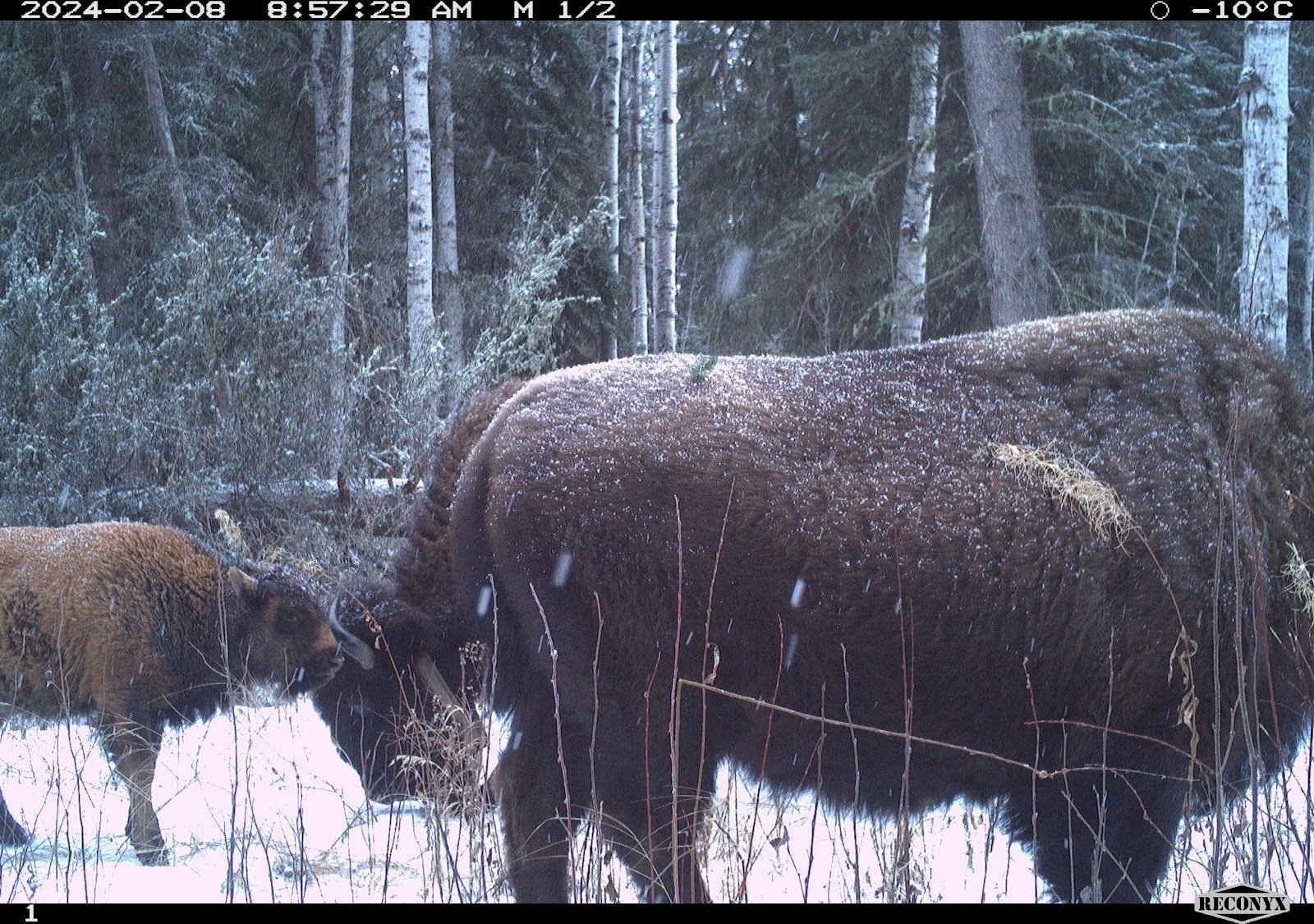
ShagowAskee is a group of Elders, Knowledge Keepers and Trappers from Northern Alberta, most of which are from Little Red River Cree First Nation. The group advocates for the land, the water, the bison, and their communities who continue to face industries that threaten their food systems, homelands, and the lifeways of both Bison and nearby territories.
ShagowAskee means "Forested Land” in Woodland Cree. Concerns for the Wabasca Wood Bison Herd started right on Johnson's trapline, when they began to notice the buffalo were disappearing. Johnson Alook and Lorne Tallcree used to see 40-50 buffalo at a time when they were out on the land, but things have changed over the years. For Nations like Little Red, living with and on the land is not a practice of the past, they are still deeply connected with the water, animals, plants and the land. Who they are as Woodland Cree peoples is because of their place-based knowing, and their reciprocal kinship with the world around them. This comes with serious responsibilities to the Buffalo, the water, and each other. This is something many southerners or settlers may struggle to understand when it comes to Indigenous resistance to industry encroachment. Community members in the region felt it was time to get together to take action. This is how ShagowAskee began.
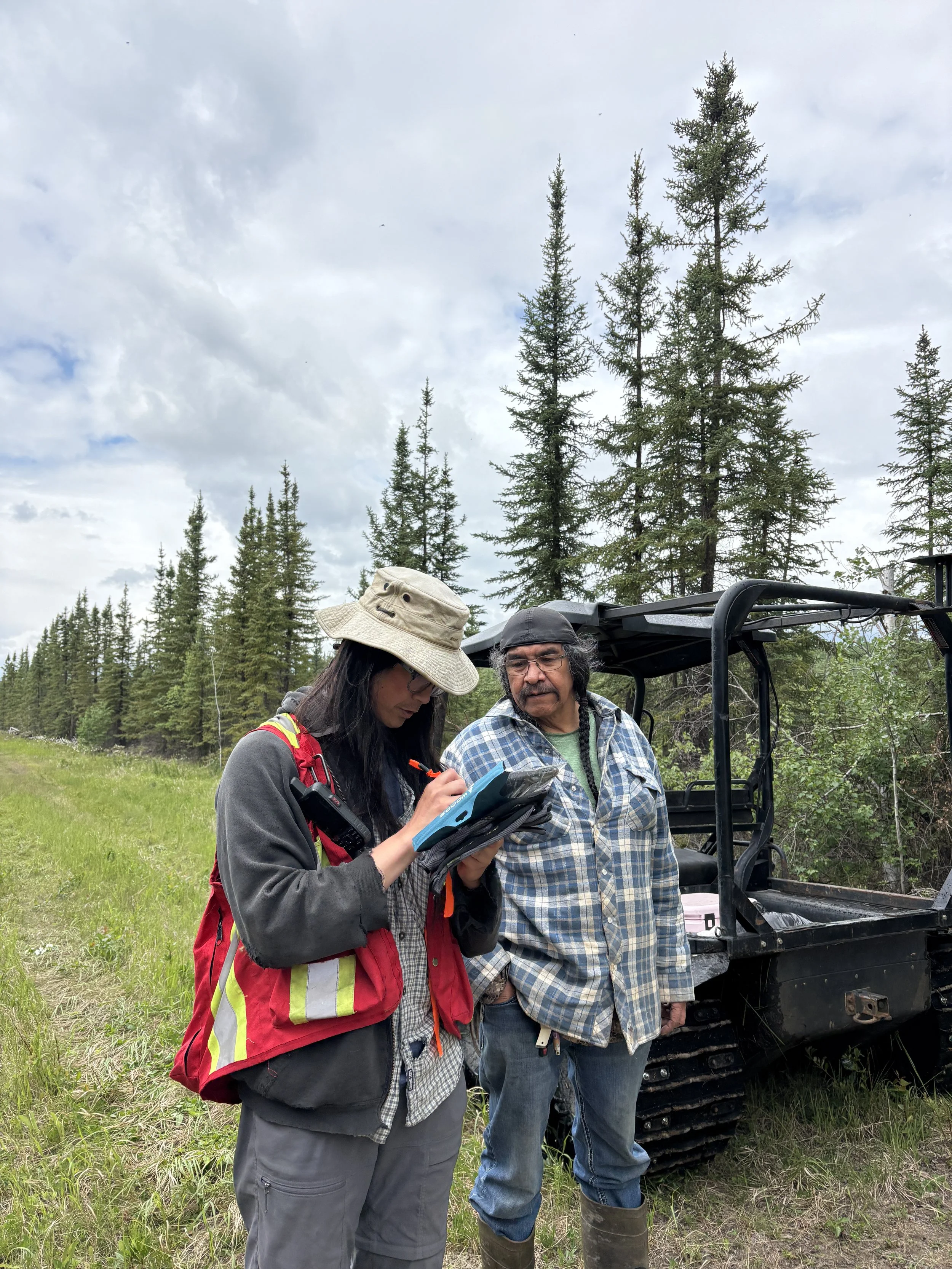
Both Lorne Tallcree and Johnson Alook are knowledge keepers, trappers, and founding members of ShagowAskee. Lorne and Johnson have spent all their lives in this region shared by the same Buffalo they advocate for, an area beginning about 40 kilometers east of South Tallcree. They have a deep connection and familiarity to the land, waterways, and the migrational patterns of the animals. Indigenous peoples have been visiting, accessing, and stewarding these lands for thousands of years. ShagowAskee wants to see this way of life continue for thousands of years more.
In 2011-2014, the Provincial Government publicly reported killing 15 of these bison to confirm the herd was free of disease. Johnson and Lorne tell me how ShagowAskee heard through other sources it was closer to 24 animals. From a herd once numbering in the hundreds, only 10 individuals remain today. The Wabasca Bison Herd are not only special to ShagowAskee, but to broader buffalo conservation as people work to keep and reintroduce buffalo on the land. The Wabasca herd are one of the last remaining Ice Age buffalo herds and one of the only herds still in their native range. A research study even found that the Wabasca herd is genetically unique. Lorne shared this could be because of something special in the land or water that differentiates them from other herds.
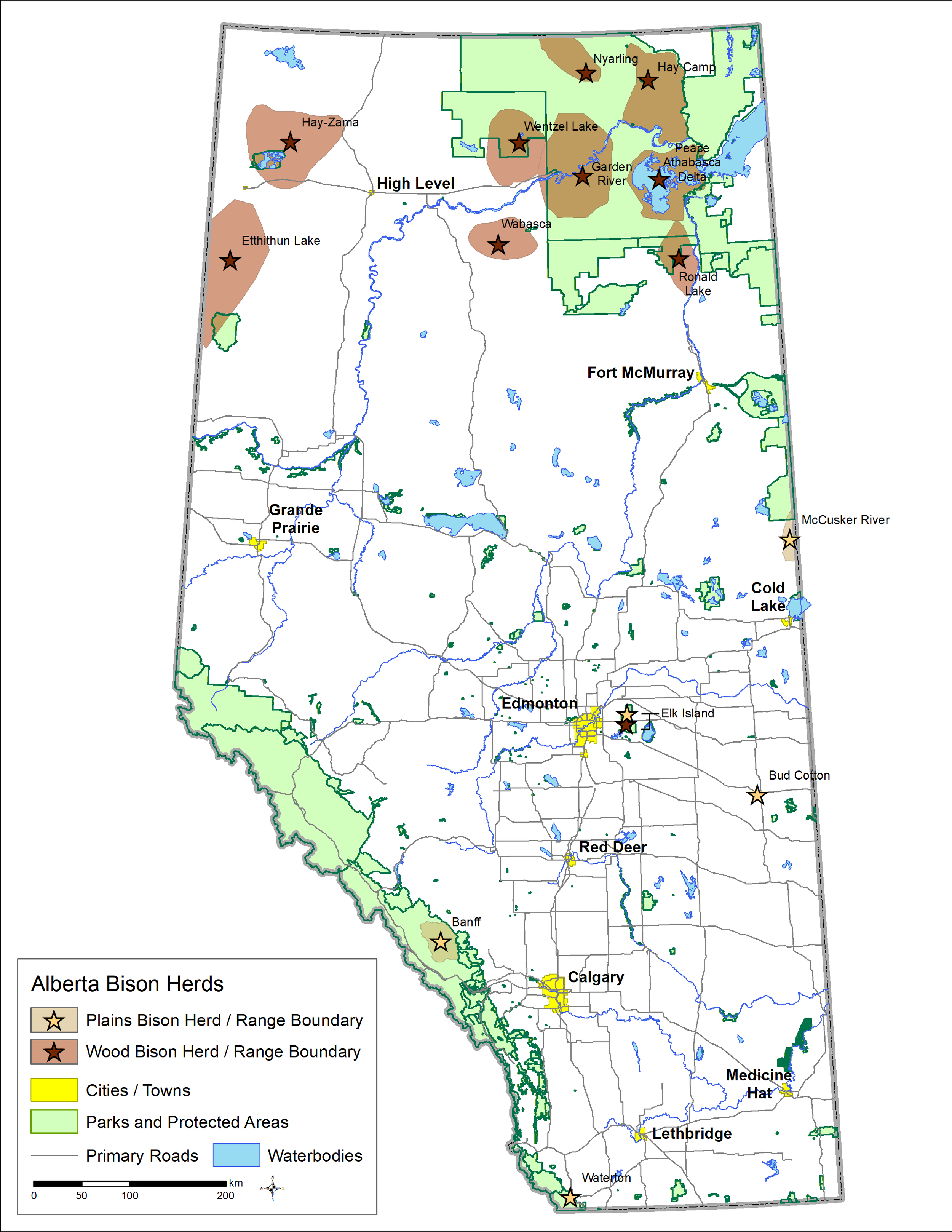
While unregulated hunting created significant strain on the herd in the recent past, the herd is now considered a Protected Species within the Wabasca Bison Protection Area. Yet threats against the Bison herd persist, with some threats by SPUR Petroleum actively drilling in their range today. In the last couple years, ShagowAskee has been struggling with industry encroachment, such as exploratory drilling, logging, and the threat of oil and gas expansion. ShagowAskee’s concern is that as industry and wildfire continues to disturb the region, the animals will be pushed out of their native habitat. If these disturbances push the herd towards Wood Buffalo National Park, it is possible the animals could come into contact with other diseased herds. Exposure to disease could jeopardize the future of the Wabasca herd. Lorne wonders how industry can work in the Wood Bison Protection Area, when their activities like building roads, clearcutting, and drilling all interfere with the migratory paths of the Buffalo. With the noise, pollution, and all the activity, the buffalo are actively being forced out of places they've accessed for thousands of years. If companies like SPUR can drill right beside critical water sources and make a mess in the region, what value do these protections hold if industry does not have to be accountable to them? The protection of the Wabasca Wood Bison is not only about wildlife conservation, it is about climate justice; fragmentation of ecosystems, disruption to carbon storing forests, and an undermining of Indigenous sovereignty. ShagowAskee’s advocacy is a reminder that climate action must centre Indigenous rights, knowledge systems, and land stewardship.
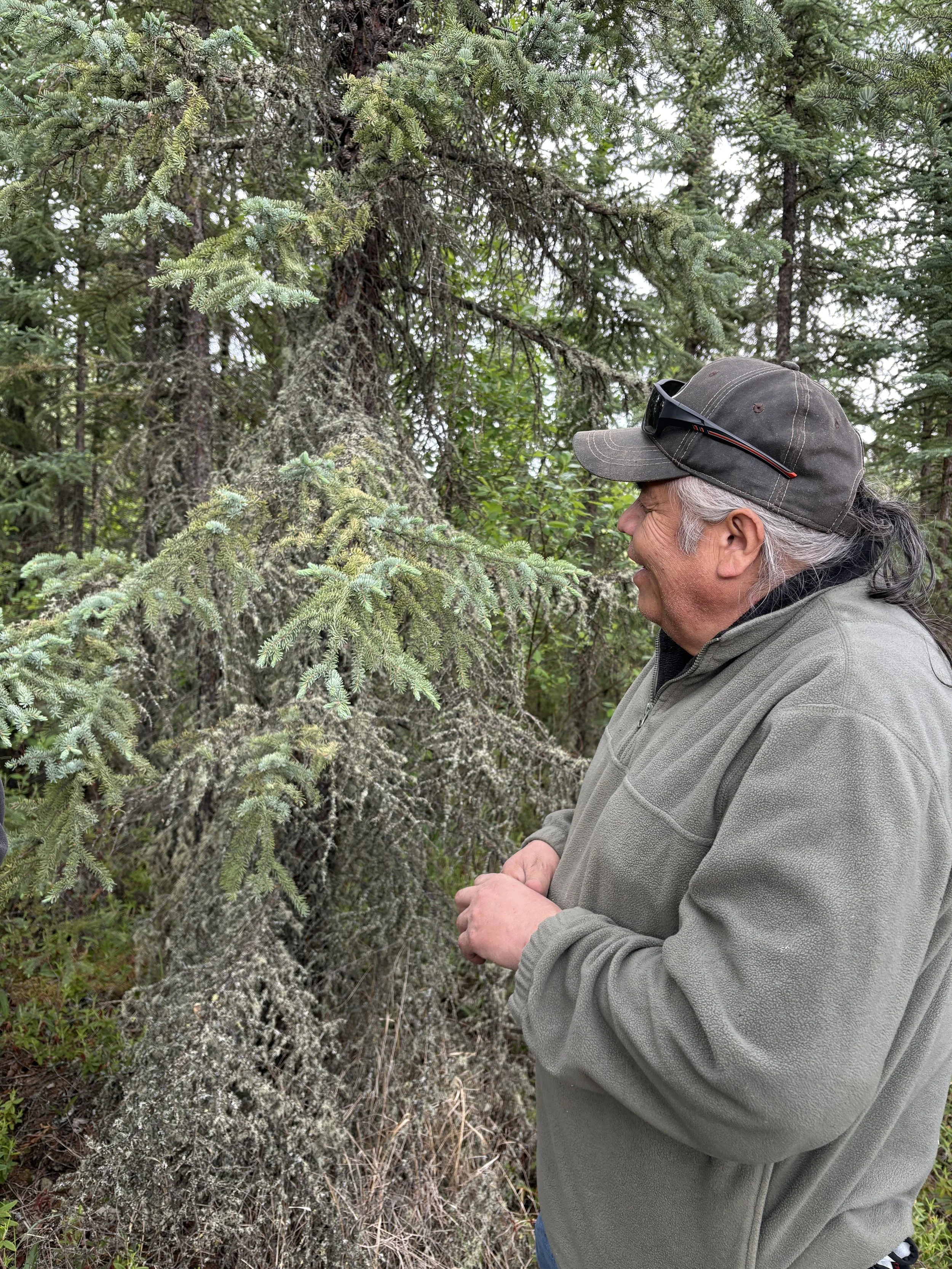
The waterways in this region, such as Harper Creek and the Wabasca, Little Red, and Peace River, are extremely important to the health of the Buffalo, the communities, and all other living things in the area. A key piece of ShagowAskee’s work is to advocate for the land and water. Last Year, ShagowAskee advocated against one of SPUR petroleum's proposed collection of exploratory drill sites, which was too close to a community gathering place, where Little Red meets the Peace River. This project is halted, but ShagowAskee anticipates it is not gone for good. Since then, without the knowledge of Shagowskee, SPUR pushed through an additional license for two new exploratory drill sites further south that are close to a different section of Little Red River. This project was expedited and approved by the Alberta Energy Regulator. Located in a rich wildlife area, any pollution or disturbance from these sites could have serious consequences.
These projects don't just interfere with Bison migratory paths, but they are happening directly on community member’s traplines. Disturbing traditional traplines is a serious, and unlawful interference with Indigenous Rights. When ShagowAskee reached out to SPUR a second time, the company claimed to have never known Shagowaskee despite having exchanged previous correspondence. Community members expressed concern that their voices were not meaningfully engaged in consultation processes This wouldn't be the first time industry has evaded the voices of Indigenous land users. Friction between economic opportunity or the safeguarding of the land is a coercive divide amongst many communities facing industry expansion in their territories. Too often, Indigenous communities are forced to compromise on love for the land, with the promise of economic opportunity. Lorne Tallcree says “They want to make money for the community - me, I would prefer the land”.
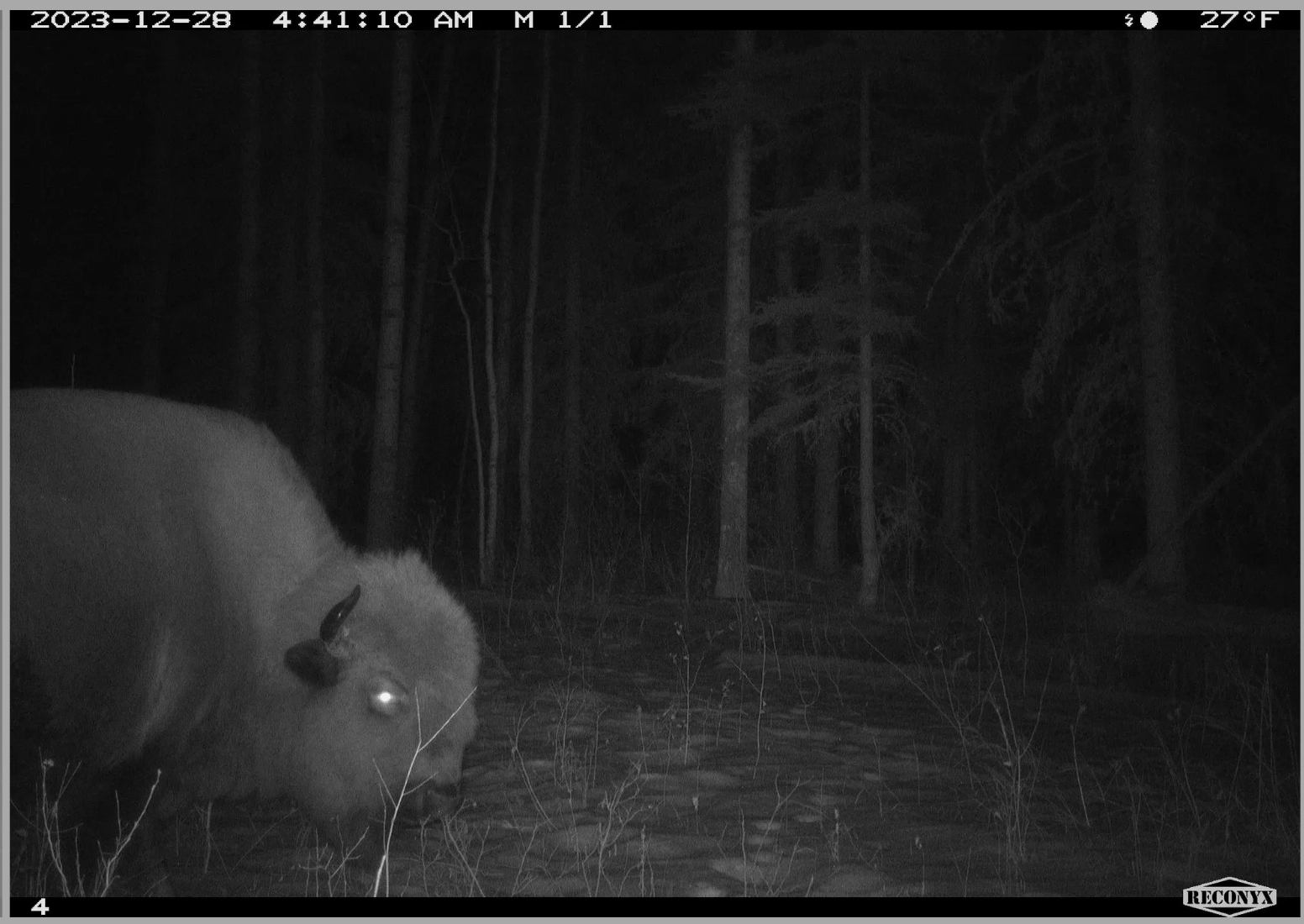
Johnson shared that he was recently viewing an old newspaper from the 80’s. In the paper, they referenced there to be about 150 bison in the area. ShagowAskee says that the dream is to someday see hundreds and hundreds of buffalo back in the territory.. ShagowAskee is not just advocating to protect the Wabasca Wood Bison, but they are mobilizing for the honouring of Indigenous ways of life, food sovereignty, Treaty, and the natural world. ShagowAskee reinforces that oil and gas expansion and aggressive forestry must stop in the region. For ShagowAskee, they want to see a future with 400+ buffalo roaming where they once did, so that future generations can retain their distinct way of life. Not just for Little Red but First Nations and people everywhere.
What are some ways other people can support you, or get involved?
The Shagowaskee team continues to monitor and advocate for the territory, document and collect knowledge about the area, and get the word out to protect the buffalo. You can directly support their work by donating to ShagowAskee’s GoFundMe page, amplifying their advocacy, and learning more about the Wabasca Wood Bison Herd. Protecting these Buffalo means protecting Indigenous food systems, Treaty rights, and future generations.
If you are interested in volunteering or connecting with the group, you can contact the team below:
ShagowAskee Contact: Kaitlyn (E): kaitlyn.philip@shagowaskee.com